Exploring Dessert Culture Through Pie Cafe Colorado Springs
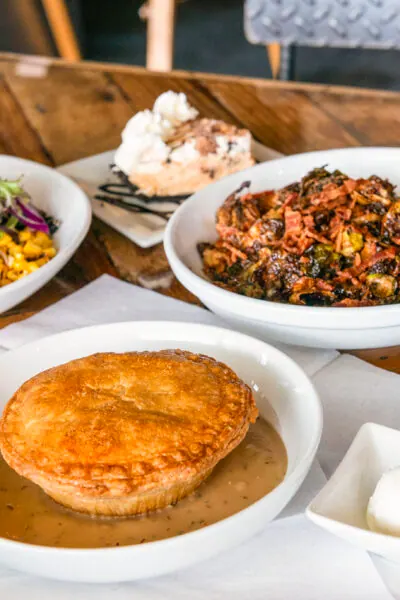

Dessert culture says more about a place than many people realize. Savory food often carries the reputation, the headlines, the chef profiles. Dessert tells a quieter story. It reveals how a city likes to gather, what it considers comforting, how much patience it has for craft, and whether nostalgia still has a seat at the table. In Colorado Springs, where outdoor life, military presence, tourism, and a growing local food scene overlap, dessert culture feels especially layered. A slice of pie can capture that complexity better than a trend-driven pastry case ever could.
That is why pie cafe colorado springs is an interesting lens for understanding the local dessert landscape. Pie, by its nature, sits at the crossroads of home baking and professional discipline. It can be rustic or refined. It can be sold by the slice to a weekday commuter or served whole at a family holiday table. Unlike plated restaurant desserts, pie belongs to daily life. People eat it after ordinary lunches, pick it up before dinners with friends, and remember it through family stories that outlast any menu.
When a community embraces a pie-centered cafe, it is not just supporting a business. It is endorsing a certain idea of dessert, one based on familiarity, generosity, seasonality, and the pleasure of repetition. People come back for pie not because they need novelty every time, but because they want the steady satisfaction of something done well.
Why pie holds such a strong place in American dessert life
Pie remains one of the few desserts that can still feel ceremonial and casual at once. Cake often belongs to birthdays and milestones. Ice cream is easy and universal, but less intimate. Pastry can drift upscale. Pie keeps one foot in tradition and the other in everyday appetite.
Part of that staying power comes from texture. A good pie offers contrast from the first bite: a crust that resists just enough, fruit or custard with body, maybe a whipped topping or crumb element that softens the edges. Those contrasts matter more than people sometimes admit. Many memorable desserts succeed because they avoid monotony. Pie does that almost automatically when it is made with skill.
The other reason is emotional. Pie carries memory well. Ask someone about their favorite pie, and they rarely answer only with a flavor. They talk about a grandmother’s rolling pin, a roadside diner, a Thanksgiving kitchen, or the first summer they learned that peach pie can taste almost floral when the fruit is ripe enough. Pie is shorthand for belonging.
A cafe built around pie draws strength from all of this. It trades on flavor, yes, but also on ritual. It gives people a public place to experience a dessert that often lives in private memory. That transition from home table to storefront is where dessert culture gets interesting.
What a pie cafe says about Colorado Springs
Colorado Springs is a city where people often want food that feels grounded. The area attracts many lifestyles at once: long-term locals, service members and their families, outdoor enthusiasts, retirees, students, and visitors passing through. Trends matter, but reliability matters more. You can see that in the restaurants that endure. Places with a clear identity, honest portions, and consistent execution tend to build loyalty.
A pie-focused shop fits that environment naturally. It offers comfort without feeling lazy, and indulgence without requiring a special occasion. It also meets people where they are. Someone finishing a hike may want coffee and a slice. A family may need a whole pie for a Sunday meal. A couple may stop in for something sweet that feels more personal than grabbing packaged dessert at a grocery store.
That is where pie cafe colorado springs becomes more than a search phrase. It points to a local habit. People are not only looking for sugar. They are looking for atmosphere, for a pause in the day, for a dessert that feels made rather than assembled. In many cities, dessert culture leans heavily on spectacle. Oversized milkshakes, neon pastries, social media bait. Colorado Springs often rewards a different approach, one that values sincerity and craftsmanship over visual gimmicks.
The craft behind a slice that looks simple
Pie is deceptive. From the customer’s side of the counter, it can seem straightforward. There is crust, filling, and maybe garnish. In practice, pie is one of the more unforgiving desserts to produce consistently. It asks for discipline in several areas at once.
The crust alone can expose a baker’s weaknesses. Fat temperature, flour handling, hydration, resting https://rentry.co/f2e3ramx time, and oven behavior all show up in the final result. A crust that shatters into dry flakes is not the same as one that breaks cleanly while still tasting tender. A bottom crust that stays pale or soggy can ruin even an excellent filling. Most people may not describe those faults technically, but they feel them immediately.
Fillings carry their own challenges. Fruit changes with season, storage, and supplier. A berry pie baked in midsummer does not behave like one baked in colder months. Apples vary in sweetness and structure. Custard pies demand tight control because a few extra minutes in the oven can push them from silky to grainy. Cream pies create another set of problems, especially in dry climates and busy service windows where temperature management matters.
That complexity is part of why a strong pie shop earns respect from people who cook professionally. It is not hard to make a good pie once. It is hard to make good pie every day, under pressure, for a wide range of customers with different expectations.
Dessert as hospitality, not just product
One of the defining features of a good dessert cafe is that it understands hospitality beyond the pastry case. People rarely approach dessert with the same mindset they bring to lunch. They arrive carrying emotion with them. Some are celebrating. Some are tired. Some are buying something sweet because the day went badly and they need a small reset. Staff can influence that experience more than menus do.
A pie cafe works best when service feels attentive without becoming formal. Dessert, especially pie, invites conversation. Customers want to ask whether a flavor is very sweet, whether a slice is heavy, whether a whole pie travels well, whether a seasonal option is worth trying over an old favorite. Good staff know how to answer those questions in plain language. They do not oversell. They guide.
That style of service matters in a place like Colorado Springs, where a business may serve tourists unfamiliar with the area in one hour and regulars on a first-name basis in the next. The strongest cafes know how to welcome both groups equally. Regulars want recognition. Newcomers want orientation. Dessert culture grows where both feel comfortable.
The role of seasonality in pie culture
Seasonality gives pie its rhythm. A pie menu that never changes can still be successful if execution is excellent, but rotating flavors create anticipation, and anticipation is one of the most underrated parts of dessert. People enjoy eating pie, of course. They also enjoy waiting for pie, talking about pie, planning for pie, and noticing when a favorite returns.
Fruit pies often carry the clearest seasonal signal. Spring can lean toward tartness and freshness. Summer invites berries, stone fruit, and brighter flavors. Fall belongs to apples, pumpkin, pecan, and warm spice profiles. Winter often favors deeper fillings, chocolate, nut-based pies, or citrus options that cut through heavier meals. A cafe that respects those cycles feels connected to real appetite rather than a static formula.
At the same time, seasonality has trade-offs. Customers develop attachments, and not everyone appreciates change when their preferred slice disappears. That is why successful pie programs often balance staples and rotation. People need anchors on the menu. They also need reasons to come back.
A useful way to think about a strong pie case is this:
- a dependable fruit option
- a custard or cream choice
- a chocolate or richer selection
- a seasonal special
- one pie with a crumb, nut, or textural twist
That kind of range covers most dessert moods without overwhelming the customer. It also respects the reality that pie shops are often serving people who make quick decisions at the counter.
Why atmosphere changes how pie tastes
This may sound overly poetic, but environment affects dessert more than many owners expect. A pie eaten in a rushed, bright, acoustically harsh room never lands the same way it does in a warm, calm space with decent coffee and enough room to pause. Dessert asks for a little softness around it.
That does not mean every pie cafe needs upholstered chairs and curated playlists. It means the room should support the product. Pie is generous food. The setting should allow that generosity to register. Clean tables, clear sightlines to the display case, friendly pacing at the register, and lighting that flatters rather than interrogates the pie all matter.
In Colorado Springs, the best dessert spaces often understand the value of ease. People may arrive straight from errands, school pickups, work shifts, or outdoor activity. They do not necessarily want theatrical service. They want a place that feels calm enough to settle into for twenty minutes. Coffee helps. So does the visual reassurance of whole pies cooling, slices neatly cut, and a case that suggests freshness without trying too hard.
This is another reason the idea of pie cafe colorado springs resonates. It combines a specific dessert with the social function of a cafe. Customers are not just buying baked goods. They are buying time, comfort, and a manageable form of indulgence.
The difference between nostalgic and outdated
There is a narrow line between charm and stagnation in dessert culture. Pie trades heavily on nostalgia, but nostalgia alone will not carry a business very far. Customers may forgive simplicity. They rarely forgive indifference.
The strongest pie cafes know how to feel timeless without feeling stuck. They may hold onto classic flavors, but they refine details. Crust gets better. Coffee gets more intentional. Whole pie ordering becomes easier. Seasonal flavors reflect current tastes without chasing every passing fad. Maybe there is a salted caramel note where an older shop would have used plain caramel. Maybe a fruit pie cuts back on sugar to let the produce speak. Maybe a cream pie gains a subtle layer of bitterness or spice that keeps it from reading as flat.
Those updates matter because dessert preferences do shift. Many customers now look for balance over blunt sweetness. They want portions that feel satisfying but not punishing. They appreciate ingredient quality, especially in butter, fruit, chocolate, and spices. A pie cafe does not need to reinvent itself around these expectations, but it does need to acknowledge them.
Coffee, tea, and the supporting cast
No dessert culture exists in isolation. Beverages shape the experience, and pie may be the dessert most improved by a thoughtful drink pairing. Coffee remains the obvious companion, partly because its bitterness steadies sweeter fillings and partly because it extends the visit. Tea can be just as effective, especially with fruit pies or custard-based slices where a lighter pairing lets more flavor come through.
This is where many dessert-focused businesses either deepen their appeal or limit it. If the pie is excellent but the coffee is careless, customers notice. Not everyone has the vocabulary to explain why the experience felt incomplete, but they notice. On the other hand, when both are strong, a simple visit starts to feel like a small ritual worth repeating.
For a local shop, this matters commercially as much as culturally. Beverage sales help dessert businesses in practical ways. They raise check averages, make solo visits more common, and turn a quick pickup stop into a seated cafe experience. More importantly, they turn dessert from a one-off treat into a habit.
How locals actually use pie shops
People often imagine dessert businesses serving only celebratory moments, but regular trade usually comes from much less dramatic patterns. Office workers stop in for an afternoon reset. Parents grab slices after school events. Neighbors pick up whole pies instead of baking for a holiday because they know the bakery can do it better and more reliably. Couples develop routines around a shared slice on quiet evenings. Visitors look for something locally rooted that feels more distinctive than a chain dessert.
That practical role should not be underestimated. A pie cafe succeeds when it becomes useful, not just admirable. Admiration brings first visits. Usefulness brings return visits.
There is also a social function that deserves attention. Pie is easy to share. That sounds obvious, but it changes behavior. A towering pastry or intricate plated dessert often feels individual and sometimes performative. Pie invites splitting. Two forks across one plate is part of its culture. That makes it especially effective for cafes trying to create community rather than just transactions.
Choosing well at a pie cafe
If you are walking into a pie-focused shop for the first time, a little strategy helps. Not because the menu is complicated, but because pie quality shows itself differently depending on what you order.
- Start with one classic. Apple, cherry, pecan, key lime, or chocolate cream can tell you a great deal about a bakery’s standards.
- Look at the crust edge before ordering. It should appear deliberate, not collapsed, greasy, or overly pale.
- Ask what is selling fastest that day, especially if fruit is involved. Good staff will usually steer you honestly.
- If buying a whole pie, think about timing. Cream pies and fruit pies travel differently, and texture changes if they sit too long.
- Pair by contrast. Rich pie likes black coffee or unsweetened tea. Tart fruit often works with a milkier drink.
These are small habits, but they improve the odds that a first visit becomes a satisfying one.
What pie culture teaches about community taste
Every city develops a sweet tooth with its own logic. Some places favor extravagance. Some lean toward heritage. Others split the difference, rewarding both creativity and familiarity. Colorado Springs appears to have a healthy appetite for desserts that feel accessible, well-made, and rooted in comfort. Pie fits neatly into that pattern.
Through that lens, pie cafe colorado springs is not just a destination but a cultural signal. It suggests that local diners still value desserts with history, desserts that reward technique without advertising it too loudly. It suggests there is room in the market for places that resist overcomplication. And it shows that people still respond to food that feels personal.
That last point matters most. Dessert culture can become abstract when discussed only in terms of trends, market gaps, or menu innovation. Pie pulls the conversation back to human scale. A good pie cafe succeeds because it understands appetite in a broader sense. People do not just hunger for sweetness. They hunger for recognition, routine, pleasure, and the comfort of knowing exactly what kind of satisfaction awaits them when the plate arrives.
In a city shaped by movement and change, there is something quietly powerful about that. A slice of pie does not solve much, but it does create a small pocket of steadiness. You sit down, the fork cuts through crust, the filling holds or yields, the coffee is hot, and for a little while the world becomes simpler. The best dessert cultures are built on those moments, repeated often enough to become part of local identity.
Seen that way, pie is not merely a baked good. It is a social object, a craft exercise, a business model, and a memory machine. A cafe devoted to it can become a local landmark not through scale or spectacle, but through consistency and emotional intelligence. It serves what people think they came for, then gives them something slightly bigger: a sense of place.
That is the enduring appeal behind any great pie shop, and it is why pie continues to matter in Colorado Springs. Not because it is trendy. Not because it photographs well. Because it still does what dessert does at its best. It welcomes, steadies, and lingers in the mind long after the plate is cleared.
3.14 Pi Bar
5152 Centennial Blvd
Colorado Springs, CO 80919
(719) 314-6172
FAQ About pie cafe colorado springs
Does 3.14 Pi Bar serve sweet and savory pies?
Yes. The café serves savory pot pies and seasonal sweet pies made from scratch. Flavors can vary.
Can I order a whole pie to take home?
Yes. The café sells whole sweet pies to take home. Check the current menu for flavors and ordering options.
Does 3.14 Pi Bar offer take-and-bake pies?
Yes. The café offers prepared pies that you can bake at home. Check the current menu for available varieties.